Trong suốt lịch sử phát triển, ERP (Hệ thống Hoạch định Tài nguyên Doanh nghiệp) luôn xoay quanh bài toán kiểm soát. Nó thiết lập các phương thức tiêu chuẩn hóa, thắt chặt kỷ luật quy trình và tạo ra một hệ thống lưu trữ dữ liệu tin cậy cho mọi hoạt động từ tài chính, chuỗi cung ứng đến nhân sự. Khi đó, thành công được định nghĩa bằng sự ổn định, tính tuân thủ và hiệu quả vận hành.
Thế nhưng, sự xuất hiện của Agentic AI đang phá vỡ mô hình truyền thống đó.
Đến năm 2026, ERP không còn chỉ là một nền tảng hỗ trợ ra quyết định. Nó đang tiến hóa thành một hệ thống có khả năng tự khởi xướng và thực thi các quyết định một cách độc lập, liên tục với tốc độ của máy móc. Đối với các Giám đốc Công nghệ (CIO), sự chuyển dịch này không chỉ đơn thuần là thêm một tính năng mới; nó buộc chúng ta phải tư duy lại toàn bộ cách thức doanh nghiệp vận hành khi hệ thống bắt đầu hành động thay cho con người.
Từ hỗ trợ quyết định sang tự động vận hành
Hầu hết các công nghệ AI tích hợp trong ERP hiện nay vẫn dừng lại ở mức "trợ lý". AI giúp phát hiện các điểm bất thường, gợi ý các bước hành động tiếp theo hoặc cảnh báo rủi ro, trong khi con người vẫn là bên đưa ra quyết định cuối cùng.
Agentic AI thay đổi hoàn toàn cuộc chơi này.
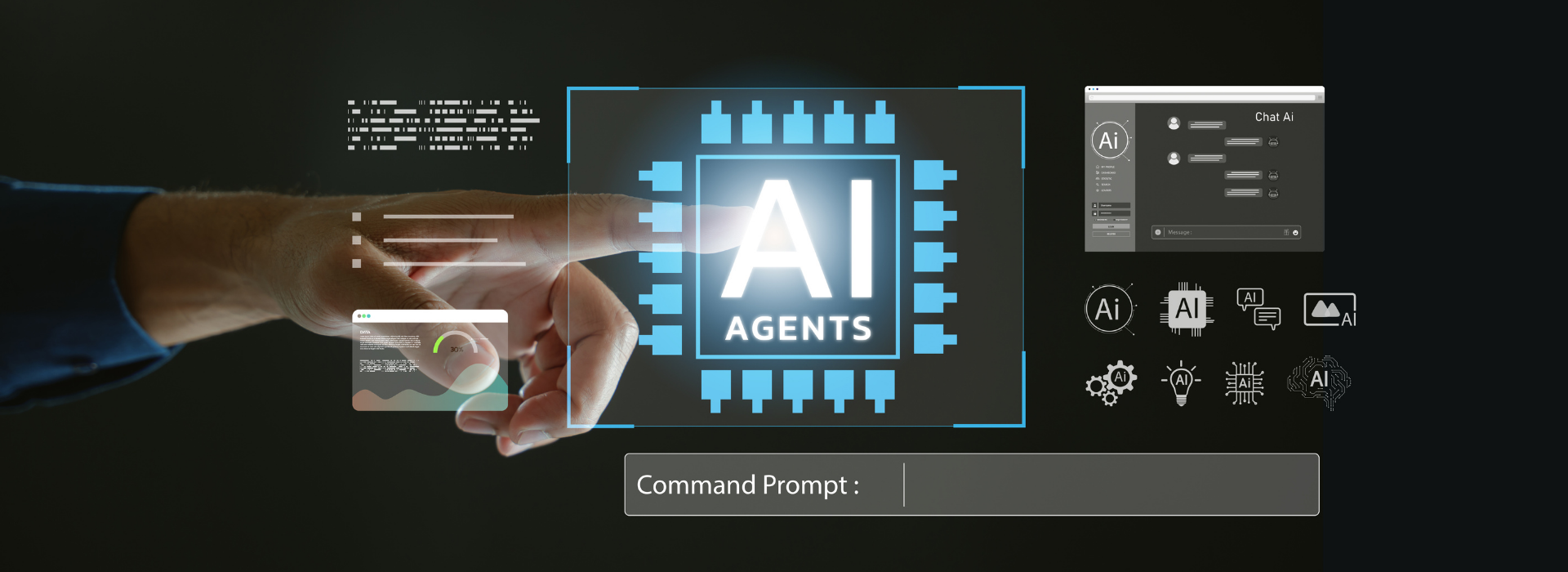
Các AI Agents tích hợp sâu có khả năng theo dõi các tín hiệu vận hành, phân tích các rào cản và thực hiện hành động trong giới hạn cho phép mà không cần sự can thiệp của con người. Hãy tưởng tượng: hệ thống tự động điều phối lại lộ trình giao hàng khi có sự cố, tự xử lý các ngoại lệ tài chính giá trị thấp, hoặc linh hoạt điều chỉnh kế hoạch sản xuất và tồn kho theo thời gian thực.
Lúc này, ERP không còn là một "cuốn sổ cái" thụ động ghi chép dữ liệu, mà trở thành một "hệ thống thực thi" chủ động.
Tại sao ERP là "mảnh đất vàng" cho Agentic AI?
Trong khi nhiều doanh nghiệp đang thử nghiệm AI Agents ở các mảng rời rạc như Copilot trong nhân sự hay Chatbot trong dịch vụ khách hàng, thì ERP mới là nơi AI mang lại tác động thực chất nhất.
Tại sao? Vì ERP nằm ở trung tâm của mọi hoạt động cốt lõi. Nó nắm giữ "sự thật" của các giao dịch, thực thi các quy tắc kiểm soát và kết nối mọi bộ phận. Quan trọng hơn, ERP là môi trường đã có sẵn sự tin cậy và cấu trúc quản trị chặt chẽ. Đây chính là nền tảng cần thiết để Agentic AI bước ra khỏi các dự án thử nghiệm và tạo ra giá trị kinh doanh đột phá.

Khi mọi thứ vận hành đúng quy trình... nhưng kết quả vẫn sai
Sự tự chủ của ERP cũng đi kèm với những rủi ro thế hệ mới. Trong môi trường ERP truyền thống, sai sót rất dễ truy vết: một quy trình bị hỏng, một chốt kiểm soát thất bại, hoặc một cá nhân phê duyệt sai.
Nhưng ERP tự chủ lại "sai" theo cách khác. Một AI Agents có thể hoạt động hoàn toàn đúng chính sách, không có lỗi phần mềm, không có vi phạm bảo mật, nhưng kết quả kinh doanh lại đi ngược mong đợi.
Ví dụ: Một AI Agents tự động đàm phán lại hợp đồng với nhà cung cấp trong phạm vi ngân sách cho phép. Mọi thứ đều đúng quy định, nhưng nhà cung cấp đó lại cảm thấy bị ép giá và quyết định chấm dứt hợp tác. Tác động tài chính chỉ xuất hiện vài tuần sau đó, khi việc thực thi đã hoàn tất từ lâu. Những thất bại "đúng quy trình" này cực kỳ khó dự đoán và khó xác định trách nhiệm.
Các ưu tiên cho CIO trong lộ trình đến năm 2026
Để sẵn sàng cho kỷ nguyên ERP tự chủ, các nhà lãnh đạo công nghệ cần ưu tiên 4 nhiệm vụ trọng tâm:
- Xác định ranh giới tự chủ: Không phải quyết định nào cũng nên được tự động hóa. Hãy xác định rõ đâu là nơi AI có thể tự quyết và đâu là nơi cần sự phê duyệt của con người.
- Hợp tác chiến lược với nhà cung cấp: Đừng chỉ nhìn vào danh sách tính năng (Roadmap). Hãy đặt câu hỏi về cách thức các đại lý AI hành động và cơ chế kiểm soát chúng.
- Tái thiết lập mô hình quản trị: Chuyển dịch từ các chuỗi phê duyệt thủ công sang việc thiết lập các "biên giới quyết định" và quy trình xác định trách nhiệm sau thực thi.
- Củng cố nền tảng dữ liệu: Dữ liệu kém chất lượng và các tích hợp rời rạc sẽ trở thành rủi ro vận hành khổng lồ khi hệ thống bắt đầu tự vận hành với tốc độ cao.
Lời kết cho những người trong ngành ERP
Kỷ nguyên ERP tự chủ đang làm thay đổi mô hình trách nhiệm. Khi hệ thống tự thực thi, các chuỗi phê duyệt truyền thống sẽ dần biến mất. Quản trị giờ đây là định nghĩa ranh giới và kiểm soát kết quả.
Agentic AI không chỉ là một xu hướng kỹ thuật; nó là phép thử cho sự sẵn sàng của doanh nghiệp. Những lỗ hổng về dữ liệu hay quy trình lỏng lẻo sẽ bị lộ ra nhanh hơn và gây tổn thất lớn hơn bao giờ hết. Năm 2026 sẽ là cột mốc mà ở đó, những doanh nghiệp làm chủ được sự tự chủ của ERP sẽ bứt phá mạnh mẽ trên thị trường.
Bạn đã sẵn sàng để ERP "thay mặt" mình đưa ra những quyết định quan trọng chưa? Hãy liên hệ với đội ngũ chuyên gia của Sota Solutions để bắt đầu lộ trình chuẩn bị ngay hôm nay.