Vietnam's logistics industry is standing at a historic turning point. According to Agility's report, Vietnam has broken into the top 10 global emerging logistics markets. However, great opportunities come with significant challenges: logistics costs in Vietnam still account for a relatively high share of GDP (around 16.8% - 17%), substantially higher than regional peers like Thailand or Singapore.
Against the backdrop of volatile fuel prices, increasingly stringent demands for same-day delivery, and the ever-present challenge of vehicle load optimization, traditional management methods utilizing Excel or standard GPS tracking have hit an efficiency ceiling.
To achieve a breakthrough, the transport sector must transform itself. And AI (Artificial Intelligence) in transport management is the silver bullet, unlocking a new era for smart supply chains in Vietnam.
1. What is AI in transport management?
In the logistics industry, AI (Artificial Intelligence) is no longer a sci-fi concept. In reality, AI in transport management involves applying machine learning algorithms, Big Data processing, and computer vision to fleet dispatch systems to automate complex decisions that would otherwise take humans hours to calculate.
Instead of merely logging data passively like legacy TMS (Transportation Management System) software, AI-integrated systems possess the ability to "think": automatically analyzing historical data, predicting future variables, and providing real-time solutions.
2. Revolutionary applications of AI in transport management
Artificial Intelligence is deeply penetrating every link of fleet operations, delivering outstanding performance across four core areas:
2.1. Dynamic route optimization
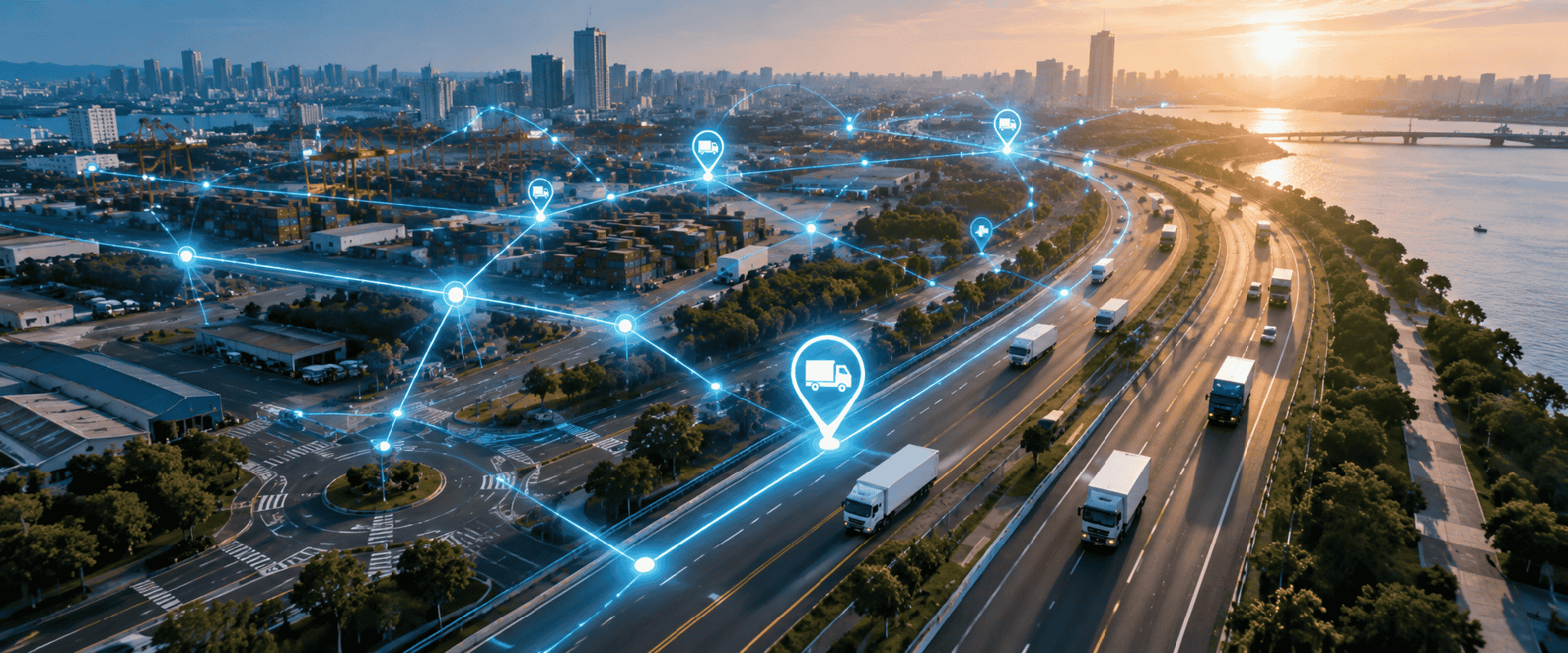
This is the most practical and financially rewarding application of AI. Unlike conventional GPS navigation, AI algorithms synthesize a massive array of variables simultaneously:
- Real-time traffic density in major metropolitan areas like Hanoi and Ho Chi Minh City.
- Localized weather forecasts.
- Truck-ban hours on specific routes.
- Locations and operating hours of receiving warehouses.
Based on this data, the AI plots the most optimal routes for dozens or hundreds of vehicles within seconds. In the event of sudden disruptions (accidents, flash floods), the system automatically reroutes in real-time, ensuring the On-Time In-Full (OTIF) delivery rate reaches its maximum potential.
2.2. Demand forecasting and capacity planning
By leveraging the power to analyze historical order data, seasonal shopping behaviors, and market trends, AI helps transport businesses accurately predict order volumes for the upcoming week or month.
This enables managers to allocate vehicles efficiently, minimizing backhaul empty runs—one of the primary drivers of wasted logistics costs in Vietnam.
2.3. Predictive maintenance
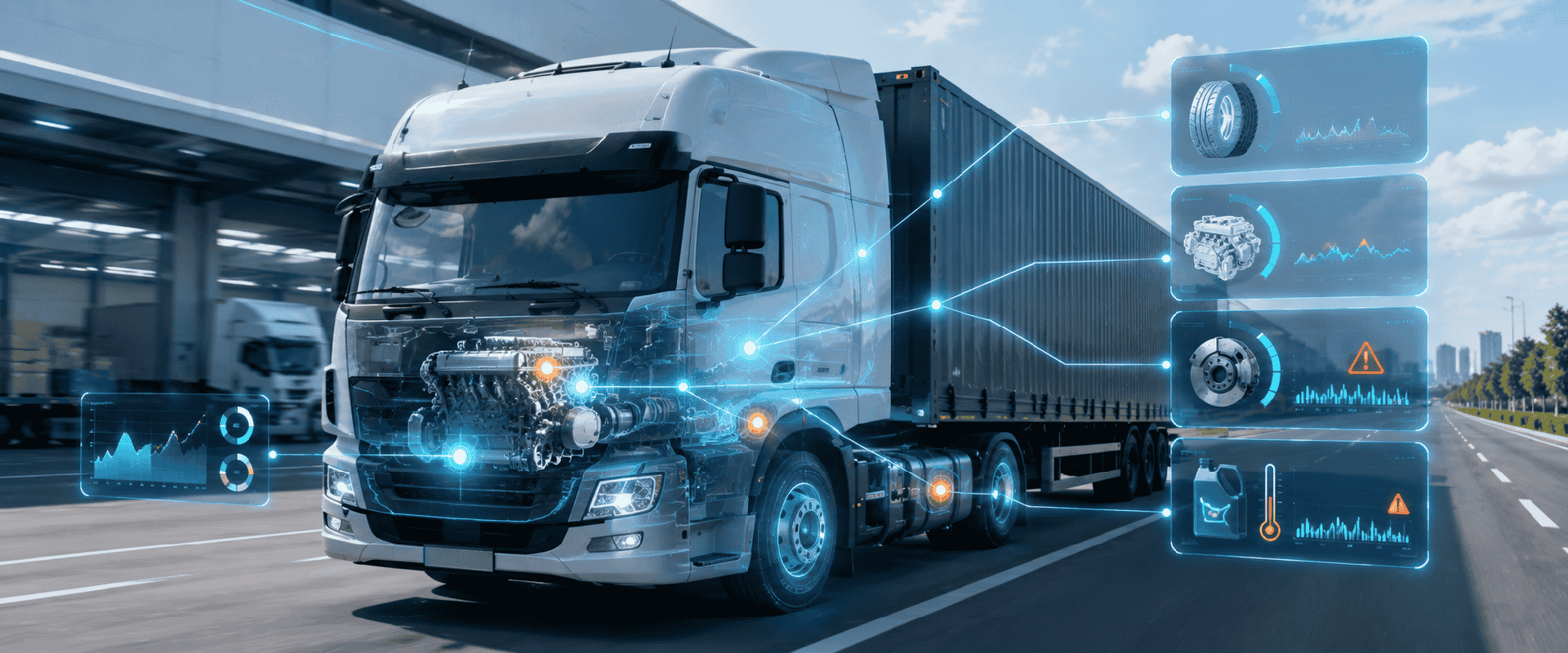
Mid-journey vehicle breakdowns not only delay delivery schedules but also incur exorbitant emergency repair costs. By connecting with IoT sensors installed on the fleet, AI continuously monitors the performance of engines, tires, brakes, and oil temperatures.
The AI algorithm then accurately flags components at risk of failure before a breakdown actually occurs. Consequently, businesses can proactively schedule routine maintenance during off-peak hours, optimizing fleet uptime.
2.4. Driver safety monitoring and risk management
The application of computer vision (AI Cameras) in the cabin helps detect hazardous driving behaviors, such as drowsiness, phone usage, distraction, or speeding. The system triggers real-time audio alerts to prevent accidents while generating driver behavior scorecards. This helps companies foster a culture of safe driving and reduce annual insurance premiums.
3. Strategic benefits for B2B logistics enterprises in Vietnam
Integrating AI technology into transport management processes allows B2B enterprises to not only resolve short-term operational challenges but also build core competitive advantages:
- Maximizing operational cost reduction: Reduce fuel expenses by 15% – 25% through optimized route planning and the minimization of empty runs (deadhead miles).
- Enhancing staff productivity: The dispatch department is no longer burdened with the stress of manual shift scheduling and routing. AI automates up to 80% of planning tasks, freeing up human resources for more high-value strategic decision-making.
- Enhancing supply chain transparency: B2B customers (shippers and manufacturers) can accurately track the AI-calculated Estimated Time of Arrival (ETA). This enables them to proactively plan their loading and unloading schedules, thereby significantly boosting the carrier's brand reliability and reputation.
4. Challenges in implementing AI in the Vietnamese market
Despite its immense potential, deploying AI in transport management within Vietnam still faces several market-specific hurdles:
- Input Data Quality: AI requires a vast amount of clean, synchronized data to "learn." However, many Vietnamese transport companies still store data in a fragmented manner—half digitalized, half handwritten.
- Resistance to Change: Drivers and dispatchers are accustomed to old habits and often show resistance when new, technology-driven monitoring systems are introduced.
- Initial Investment Costs: Imported AI solutions usually come with exorbitant licensing fees and are not fully optimized for Vietnam's highly complex traffic infrastructure.
Consequently, the most viable roadmap for domestic logistics companies is to seek local technology partners—those who deeply understand the native market—to build tailored, customized solutions that fit their actual budgets and operational workflows.
To thoroughly overcome these challenges, businesses need a highly specialized partner. Sota Solutions is proud to be a leading, trusted provider specializing in consulting and implementing comprehensive digital transformation for Logistics and Transport enterprises. We offer an enterprise transport management software system integrated with intelligent algorithms, custom-designed for Vietnam's specific traffic infrastructure and business models, empowering companies to achieve breakthrough performance and drive cost optimization effectively.
5. Future trends: An AI-driven logistics ecosystem
In the next 3 to 5 years, AI in transport management will shift from being a "nice-to-have" option to a "must-have" requirement for survival in Vietnam.
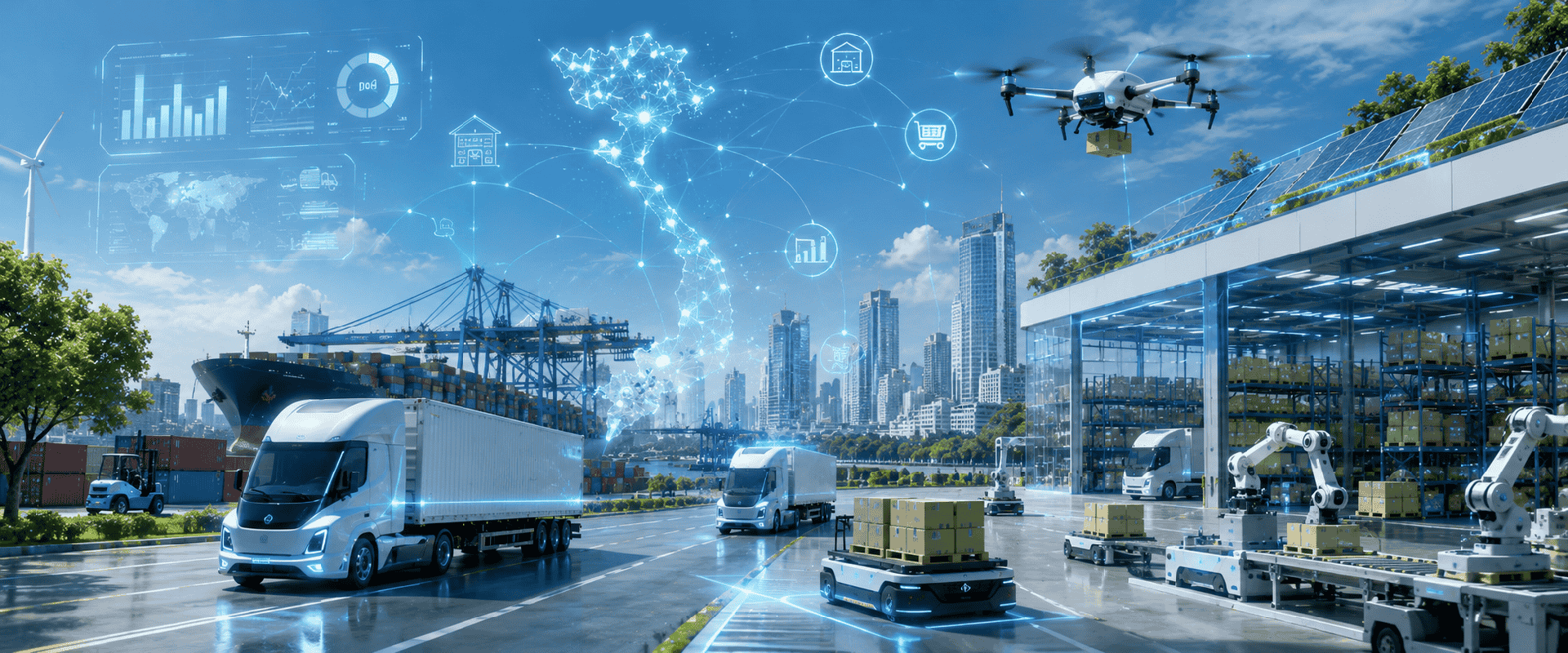
The convergence of AI, Electric Vehicles (EVs), and automated smart warehouses will forge a green, fully automated logistics ecosystem. Forward-thinking companies that pioneer the application of data and AI today will be the ones shaping the industry and capturing the largest market share tomorrow.
Conclusion
AI was not created to replace humans in the transportation sector, but rather to liberate managers from complex, manual calculations, allowing them to focus on high-level strategic decisions. Investing in AI for transport management right now is a vital strategic move for Vietnamese logistics enterprises to reduce service costs, sharpen their competitive edge, and successfully scale in the global market.