Amidst the rapid digital transformation in Vietnam, many enterprises are facing fierce competition, increasingly complex supply chains, and the urgent need for real-time data management. Enterprise Resource Planning (ERP) systems are no longer a luxury; they have become a strategic necessity to streamline operations, reduce costs, and sharpen a company's competitive edge.
This article helps business leaders identify the precise moment to implement an ERP system through six unmistakable signs. If your organization is experiencing these challenges, it is time to take action to secure sustainable growth and avoid missing out on future opportunities.
What is ERP and its role in modern enterprises?
ERP (Enterprise Resource Planning) is a comprehensive, integrated software system designed to centralize the management of core business processes, including Finance & Accounting, Sales, Purchasing, Logistics, Production, Human Resources, and CRM. Instead of relying on siloed software or manual Excel spreadsheets, ERP establishes a single source of truth with real-time data synchronization across the entire organization.
Key benefits of ERP include:
- Process Optimization: Streamlining workflows and automating manual, repetitive tasks.
- Data-Driven Insights: Providing accurate reporting to support rapid and informed decision-making.
- Cost Efficiency: Reducing operational costs while effectively controlling inventory and cash flow.
- Enhanced Collaboration: Strengthening coordination between departments and significantly improving the customer experience.
- Compliance & Scalability: Ensuring adherence to regulatory requirements and supporting seamless business expansion.
In Vietnam, numerous enterprises in manufacturing, logistics, retail, and distribution have undergone powerful transformations through ERP adoption. This is particularly vital in the context of international integration and the increasing pressures of Industry 4.0.
6 signs it’s time for your business to implement ERP
Below are the most prevalent indicators recognized by industry experts and organizations that have achieved successful ERP transformations.
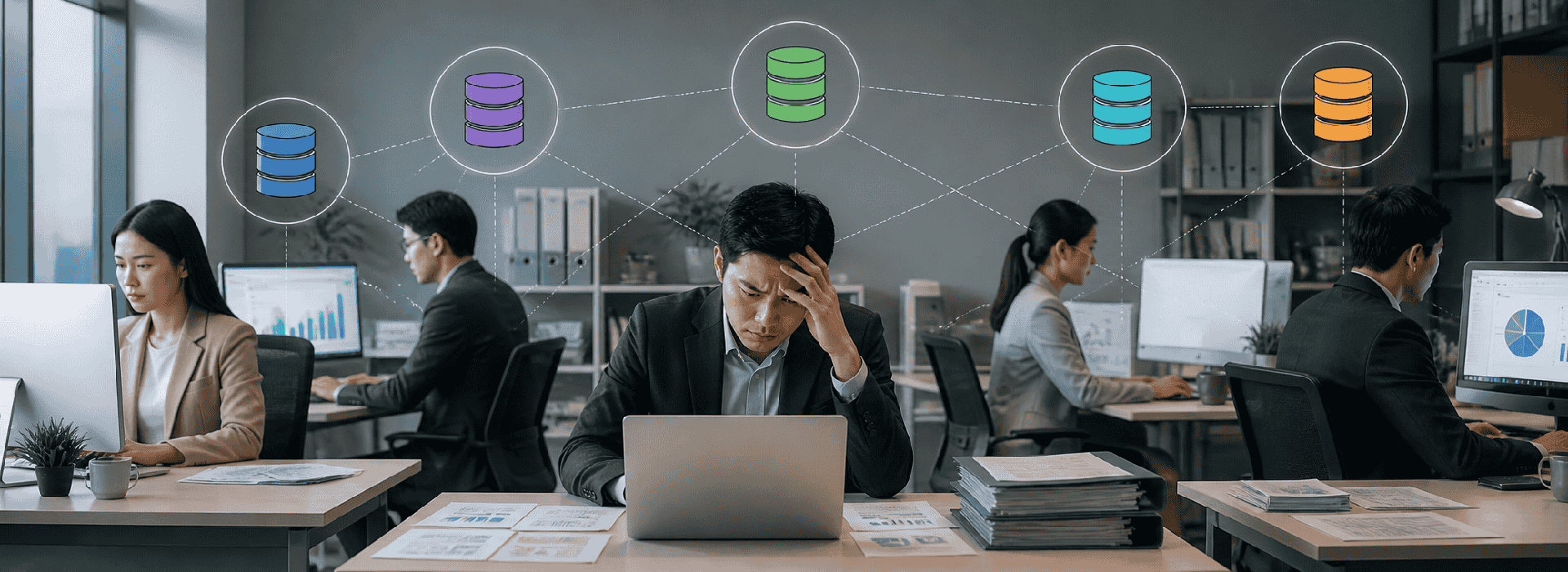
1. Usage of disconnected software, fragmented data, and information silos
This is a classic textbook indicator. When your sales team uses one CRM, the warehouse operates on its own software, and accounting relies on Excel or a separate accounting tool, data becomes desynchronized. This inevitably leads to manual errors, data duplication, and excessive time spent on cross-referencing and reconciliation.
The Impact: Management is deprived of a holistic overview, leading to sluggish decision-making and high risks of data loss. ERP fundamentally addresses these issues by unifying all processes into a single platform, ensuring a seamless flow of information across all departments.
2. Excessive over-reliance on manual processes and excel spreadsheets
Employees spend countless hours on manual data entry, verifying invoices, and reconciling figures across multiple sheets. This approach inevitably leads to frequent human errors, lagging financial reports, and a significant disconnect between leadership and the actual operational reality.
As a business scales, these manual methods become unsustainable and act as a "bottleneck" to growth. An ERP system automates core workflows, drastically minimizes error margins, and reallocates your human capital toward more strategic, high-value initiatives.

3. Inaccessible, inaccurate, and delayed data
Does your team spend days manually compiling sales, inventory, or cash flow reports? When information is not updated in real-time, critical business opportunities can slip away, and strategic decisions may be based on flawed or outdated premises.
An ERP system eliminates these delays by providing intuitive dashboards and real-time data visibility. This empowers leadership to monitor key performance indicators (KPIs) anytime and anywhere via mobile or web-based interfaces, ensuring that every decision is backed by the most current facts.

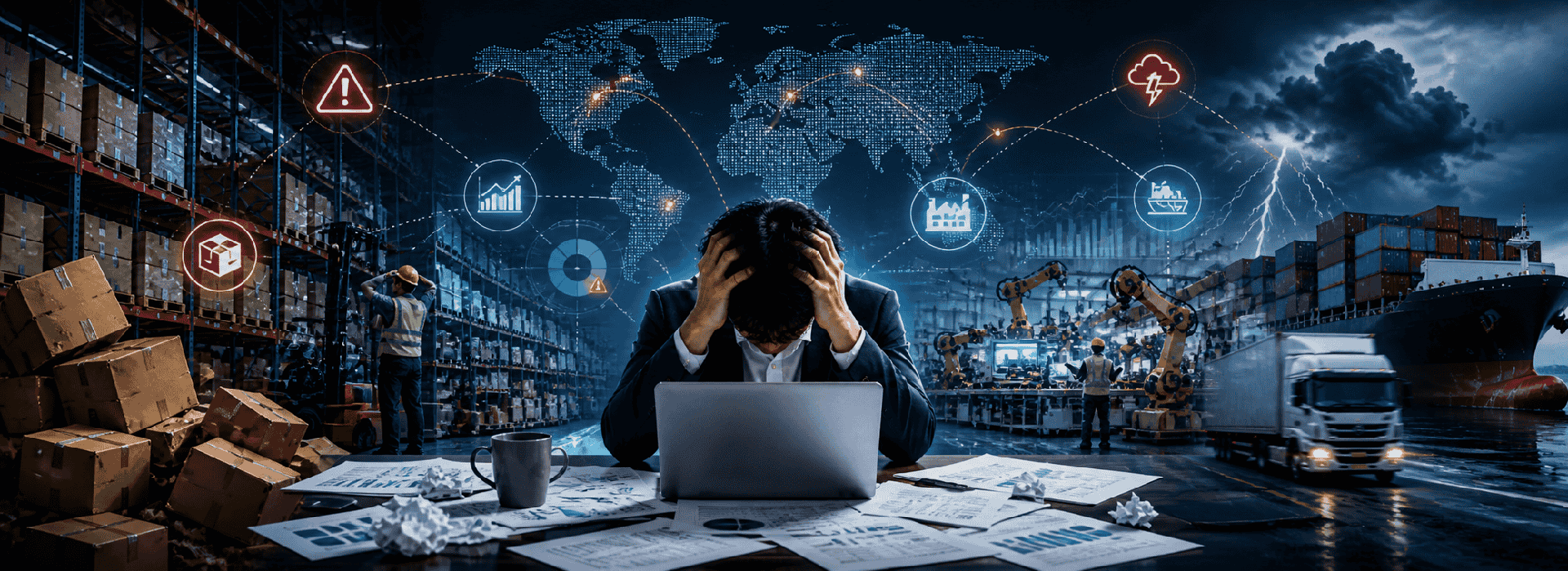
4. Challenges in inventory, production, and supply chain management
Frequent occurrences of overstocking or stockouts, unmonitored production schedules, and delivery delays are clear indicators of a failing system. These issues inevitably lead to customer dissatisfaction regarding both lead times and service quality.
With integrated inventory and manufacturing modules, an ERP system enables precise demand forecasting, optimized scheduling, and significant waste reduction. This is particularly crucial for manufacturing and logistics enterprises in Vietnam to remain competitive.
5. Strained accounting and finance departments
Accounting teams often struggle with prolonged period-end closing, delayed financial reporting, and difficulty in managing accounts receivable (AR), accounts payable (AP), and operational expenses. A lack of cash flow transparency significantly increases financial exposure and risks.
An ERP system addresses these pain points by integrating automated accounting features and supporting compliance with both VAS (Vietnamese Accounting Standards) and IFRS (International Financial Reporting Standards). This enables rapid month-end closing and provides leadership with profound, actionable financial insights.
6. Rapid growth outpacing management capabilities
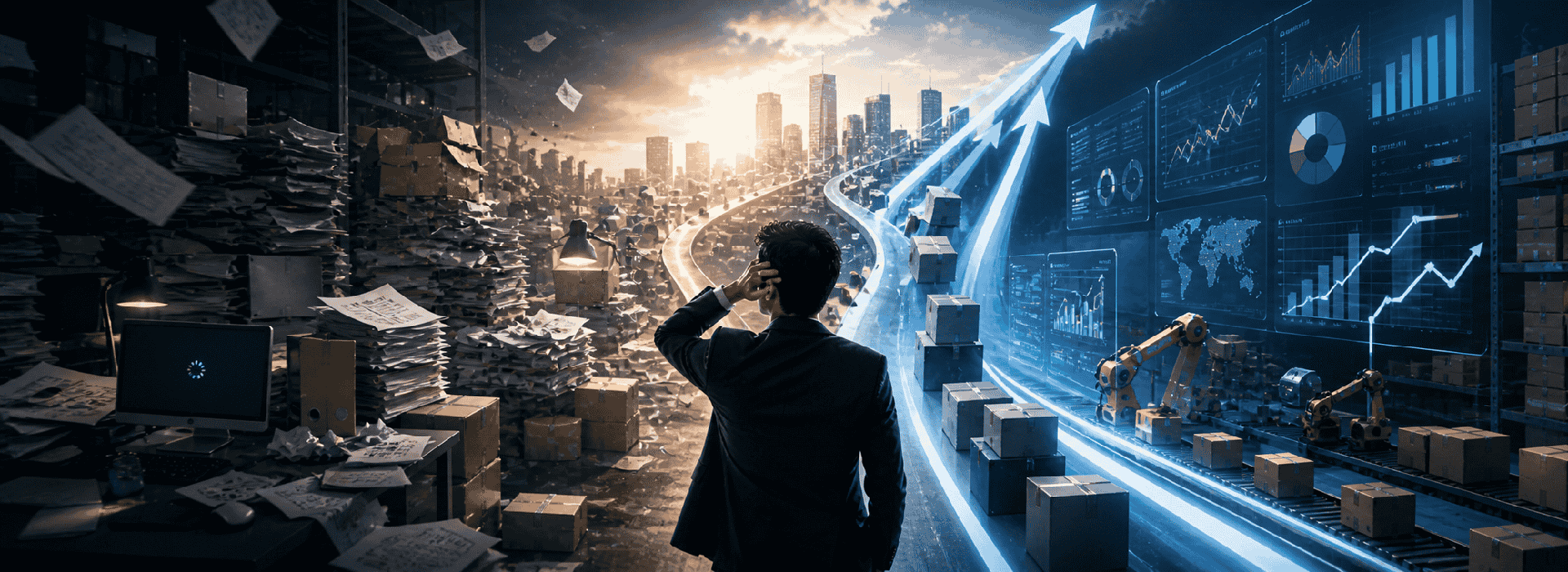
Your revenue is climbing, and you are expanding into new branches or omnichannel sales platforms; yet, paradoxically, operational efficiency is plummeting, profit margins are thinning, and your team is perpetually overwhelmed. This is the most definitive signal that your legacy management model has become obsolete and can no longer support the weight of your success.
Instead of being a "handbrake" on your progress, an ERP system acts as an engine for scalability. It standardizes processes and provides the structural integrity needed for your business to grow sustainably without losing operational control.
The tangible benefits of timely ERP implementation
Implementing an ERP system at the right time delivers a measurable ROI (Return on Investment): a 20-50% reduction in process handling time, data accuracy improvements of up to 99%, and enhanced market competitiveness. Following adoption, many Vietnamese enterprises have reported significant improvements in both cash flow management and customer satisfaction.
However, success ultimately depends on selecting a reputable partner who deeply understands industry-specific nuances and provides professional implementation support.
Sota Solutions – A trusted ERP implementation partner for Vietnamese enterprises
With extensive experience in deploying comprehensive enterprise management solutions, Sota Solutions is the reliable partner for businesses seeking sustainable digital transformation.
Sota Solutions stands out with:
- An experienced team of experts from large-scale projects.
- Flexible solutions integrated with AI and easy to scale.
- Training support and 24/7 post-implementation services.
- Commitment to bringing real value and optimizing costs for SMEs as well as medium and large enterprises.
If your business is noticing one or more of the above signs, early consultation from experts will help build a suitable roadmap and avoid wasting resources.
Contact Sota Solutions today for a free consultation and a demo of an ERP solution that fits your business model. Don't let old management systems hold back your development potential!
Conclusion
ERP implementation is not a cost, but a strategic investment for the future. Upon recognizing the above signs, businesses should evaluate quickly and act decisively. A suitable ERP system will help you transition from manual management to smart operations, from reacting to forecasting, and from existing to leading the market.
Sota Solutions is ready to accompany you on this journey!