In the context of a global economy facing fluctuating fuel costs, supply chain pressures, and constantly shifting customer behaviors, the transportation industry stands at a major turning point. Traditional, manual management methods using logbooks, Excel sheets, or fragmented software have clearly revealed their limitations: data loss, a lack of inter-departmental connectivity, unoptimized routing, and a failure to control hidden costs.
Digital transformation emerges as the optimal solution to this competitiveness puzzle. However, a major question keeps many executives awake at night: Where should transportation businesses begin their digital transformation? How can they digitalize processes methodically without disrupting current operations?
This article provides a comprehensive, practical perspective and a structured roadmap tailored specifically for B2B transportation enterprises.
1. Current reality and challenges of traditional transportation businesses
Before seeking the answer to the question "where to start," businesses must frankly acknowledge the existing bottlenecks within traditional operating models:
- Information fragmentation: Data regarding orders, routes, drivers, vehicles, and operational expenses (fuel, tolls) is often scattered across various departments. The lack of a centralized and unified data management system forces managers to spend excessive time reconciling and aggregating data whenever reports are required.
- Unoptimized fleet utilization: Issues such as empty backhauls, overlapping route planning, or underutilized vehicle capacity occur frequently, leading to severe resource waste.
- Difficulty in controlling and optimizing hidden costs: On-road expenses, mileage wear-and-tear, or fuel leakage are highly challenging to record accurately in real time, directly eroding the company's profit margins.
- Suboptimal customer experience: Today's B2B clients demand high visibility. The inability to provide real-time tracking updates causes transportation businesses to lose their competitive edge against technology-driven competitors.

2. Where to start digital transformation in transportation? A 4-step standardization roadmap
Digital transformation is not a short-term project, but a long-term strategy. Given the unique nature of the transportation sector, instead of implementing changes massly and causing disruption, businesses should adopt a mindset of: "Think big, scale stepwise, optimize continuously" through the following roadmap:
Step 1: Data digitization and process standardization
Every technology system is worthless without accurate input data. The very first step is to convert all information from physical formats (papers, invoices, receipts) into digital formats and unify workflows across departments.
- Digitize all fleet information (license plates, payload capacities, registration deadlines, routine maintenance schedules).
- Digitize customer profiles, contract terms, and service rate cards.
- Standardize the end-to-end workflow, from order intake and dispatching to document handover.
Step 2: Focus on digitalizing the "Core operation" – Implementing a transportation management system (TMS)
Once a solid data foundation is established, businesses must immediately focus on the most critical and complex link: The dispatching and delivery process. Implementing a specialized transportation management system at this stage will automate trip planning, optimize routes, and establish seamless communication channels between dispatchers, drivers, and customers.
Step 3: Inter-departmental Integration and process automation
When the core operation runs smoothly, the next step is to connect the transportation system with other management software to completely eliminate information silos:
- Accounting & Finance Department: Automatically reconcile trip revenues, operational expenses, and customer receivables based on real-time data from the transportation system.
- Human Resources Department: Automatically calculate salaries, bonuses, and allowances for drivers based on performance metrics (number of trips, mileage, delivery timeliness).
- Warehouse Department: Synchronize vehicle arrival and departure times to proactively arrange loading labor, minimizing vehicle idle time.
Step 4: Leveraging digital data for strategic management
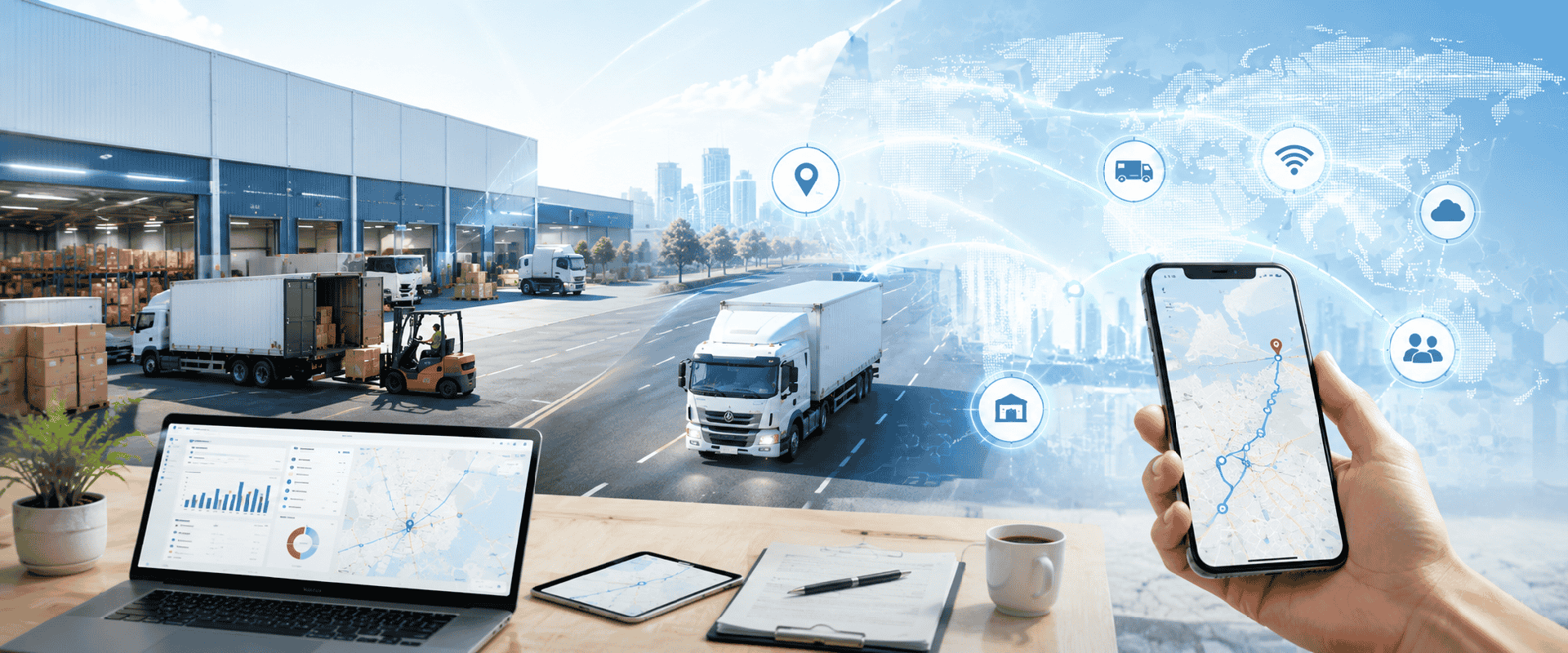
At an advanced stage, when the entire information flow is digitized, businesses will possess a valuable treasury of operational data. Through visual dashboards, executives can easily analyze cost trends and evaluate the performance of each vehicle type or route. This enables them to make accurate investment decisions or adjustments to business strategies based on actual data.
3. Key considerations to ensure digital transformation progress and efficiency
To ensure that technology projects deliver real value and avoid wasting resources, managers must pay special attention to the following four factors:
3.1. People are the focus, technology is the tool
No matter how modern a system is, it will fail if the staff refuses to adopt it or uses it incorrectly. The unique nature of the transportation sector involves a direct labor force (drivers, warehouse staff) who are often hesitant to change their working habits.
- The Solution: Businesses need to select solutions with user-friendly, easy-to-operate interfaces (especially mobile applications for drivers). Concurrently, structured communication and training plans are essential to help staff understand that technology is a support tool designed to reduce workload pressure, rather than a negative surveillance system.

3.2. Select solutions with high flexibility and scalability
Every transportation business has its own specific characteristics regarding management models, rate cards, or delivery methods. Applying overly rigid, off-the-shelf software often leads to workflow conflicts. The chosen system must possess the flexibility to be customized according to the business's actual operational challenges and be ready to scale as the fleet grows.
3.3. Emphasize connectivity and data integration capabilities (API)
An effective transportation solution cannot operate in isolation. Ensure the system integrates seamlessly with existing peripherals and software, such as tracking devices (GPS), dashcams, electronic invoicing systems, or the business's core ERP modules.
3.4. Measure return on investment (ROI) stepwise by phase
Businesses should not chase luxury technology trends if they do not directly address current economic challenges. Establish specific key performance indicators (KPIs) for each implementation milestone: By what percentage has the empty backhaul rate decreased? How much has order processing time been shortened? How much has the speed of receivables reconciliation improved?
4. A trusted partner on the transportation digitalization journey
Deeply understanding the unique challenges and cost optimization expectations of domestic transport businesses, Sota Solutions delivers Sota TMS – A Comprehensive Domestic Transportation Management Software, specifically engineered to thoroughly resolve real-world operational challenges.
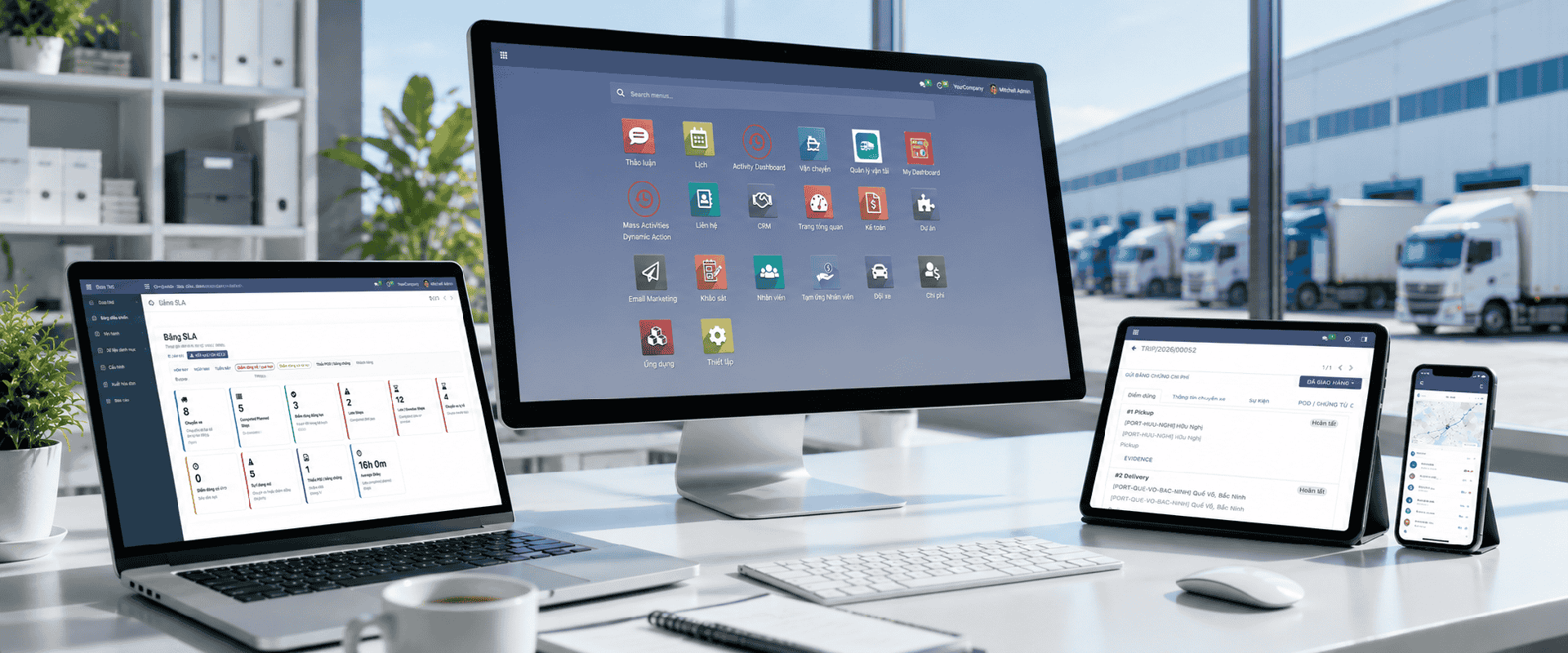
As a reputable digital transformation consulting and implementation partner, Sota Solutions does not merely provide a technological tool, but offers a comprehensive, collaborative solution for businesses:
- Optimized dispatching capabilities: Automate delivery planning and suggest intelligent routing to minimize empty running distances while maximizing fleet utilization efficiency.
- Transparent cost management: Accurately control and record all expenditures incurred on every route (fuel, toll fees, on-road incidental expenses), minimizing data discrepancies.
- Real-time connectivity: Seamlessly link data between office dispatchers and on-the-road drivers via a Mobile App, ensuring timely delivery status updates and enhancing transparency for B2B clients.
- Powerful integration capabilities: Built with a flexible architecture, the system easily connects with existing Accounting, HR modules, or corporate ERP systems, fully satisfying transportation sector specifications and regulations in Vietnam.
With proven implementation experience, Sota Solutions is committed to walking alongside your business from initial assessment and budget-aligned roadmap consultation to the final handover and detailed training phases, ensuring a smooth and highly effective transition.
Conclusion
Digital transformation in the transportation industry is no longer an optional choice; it has become a decisive factor for a company's competitive edge and sustainable growth. Starting with process standardization, digitalizing core operations through an appropriate TMS, and choosing an experienced implementation partner will establish a solid foundation for businesses to achieve breakthrough growth.
To receive in-depth consultation on a digital transformation roadmap tailored to your business scale and to experience a demo of Sota TMS – The Domestic Transportation Management Software, please contact the Sota Solutions expert team today for the fastest support.