1. ERP – The management platform in the digital economy era
In the market context of 2026, the application of Enterprise Resource Planning (ERP) systems has shifted from being a competitive advantage to a mandatory requirement for maintaining stable operations. In Vietnam, businesses are facing the challenge of optimizing processes to integrate deeply into global supply chains.
The core issue that executives are concerned with today is no longer "whether to implement ERP," but rather "which deployment model optimizes cash flow and operational performance." The two most common options—Cloud ERP and On-premise ERP—both possess distinct technical and financial characteristics.
2. Defining the technical foundations of both models
2.1. Cloud ERP (SaaS Model)
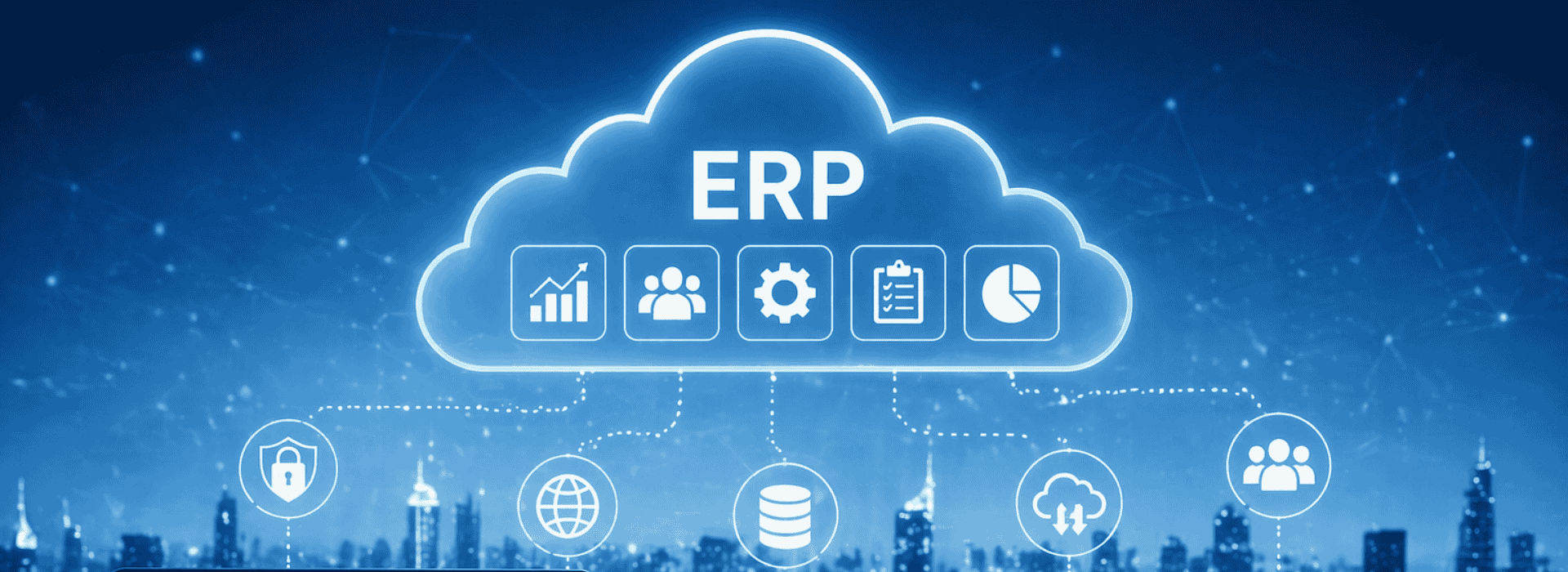
Cloud ERP is a system provided as a service (Software-as-a-Service). The entire server infrastructure, database, and security are managed by the provider. Businesses access the system through the internet.
According to reports from the International Data Corporation (IDC), the annual growth rate of the global Cloud ERP market has reached 15.3%, demonstrating a powerful shift toward flexible platforms.
2.2. On-premise ERP (Traditional Model)
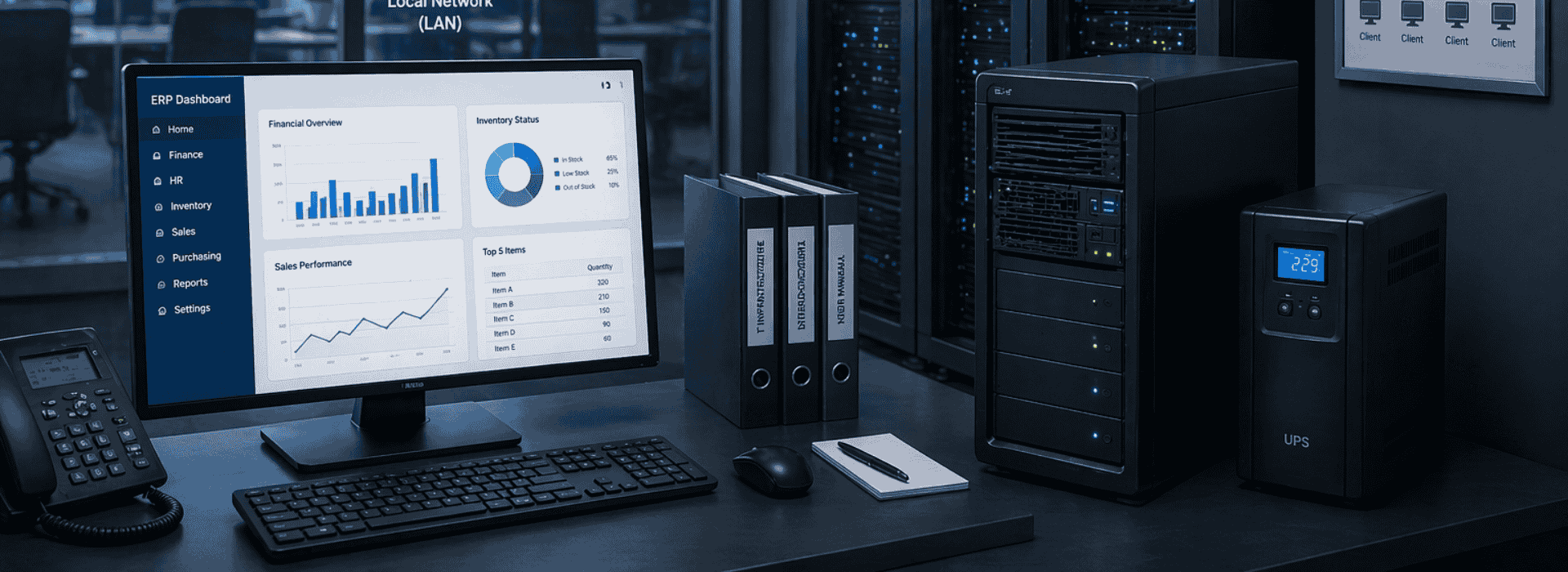
On-premise ERP requires businesses to invest directly in hardware infrastructure (servers), perpetual software licenses, and an internal IT team for operation, maintenance, and updates. The enterprise maintains full ownership and control of the physical system within its own data center.
3. Comparative analysis: strategic criteria in investment decisions
To make an accurate choice, managers need to conduct an analysis based on four main pillars: Cost, Implementation Capacity, Security, and Flexibility.
3.1. Total cost of ownership (TCO)
This is the most critical criterion affecting the balance sheet.
- On-premise ERP: Requires a significant initial capital expenditure (CAPEX) for licenses, infrastructure, and personnel. Additionally, businesses must budget for annual operating costs—typically accounting for 10-20% of the original contract value—for maintenance and upgrades.
- Cloud ERP: Converts investment costs into operating expenses (OPEX). Under a subscription model, businesses only pay for the specific modules and the actual number of users. This helps optimize cash flow and minimizes initial financial risks.
3.2. Implementation timeline and adaptability
In a volatile business environment, the time-to-market for a system is a survival factor.
- Cloud ERP: Offers a distinct advantage in deployment speed as the infrastructure is pre-configured. Software updates are performed automatically by the provider, ensuring the business always has access to the latest technology without disrupting operations.
- On-premise ERP: The deployment process is more complex, requiring time for physical infrastructure setup and deep customization. System upgrades often take a significant amount of time and can lead to risks of incompatibility with legacy data.
3.3. Security and data governance
- On-premise: Provides a sense of security through direct data control. However, businesses face the pressure of maintaining physical security standards and defending against increasingly sophisticated cyberattacks.
- Cloud: Leading cloud providers today apply stringent security standards such as ISO/IEC 27001 and SOC 1/2. For Vietnamese enterprises that do not have specialized in-house security experts, using a cloud platform often provides a higher level of data security and more professional disaster recovery capabilities.
Criteria | Cloud ERP | On-premise ERP |
Cost Model | Operating Expenses (OPEX) | Capital Expenditure (CAPEX) |
Deployment Speed | Fast (weeks/months) | Slow (6–18 months) |
Scalability | Highly flexible | Limited by physical infrastructure |
System Maintenance | Managed by the provider | Managed internally by the business |
4. Specific context of Vietnamese enterprises
In the Vietnamese market, selecting an ERP system requires additional consideration of legal compliance factors (such as Circular 200 and Circular 133 regarding accounting standards) and industry-specific requirements:
- Manufacturing and Logistics Sector: These industries require seamless connectivity across departments, from warehousing and transportation to financial accounting. Solutions such as Sota FMS or Sota CRMlog when integrated on a cloud platform, enable businesses to track orders and cash flow in real-time, facilitating more accurate and data-driven decision-making.
- Finance and Government Sectors: These entities often prioritize On-premise or Private Cloud models to ensure strict compliance with national data sovereignty regulations and highly specific security protocols.

5. Optimal digital transformation roadmap: The role of a consulting partner
Implementing an ERP system is not merely about software installation; it is a comprehensive process of restructuring operational workflows. A common pitfall for Vietnamese enterprises is selecting a system that is excessively complex relative to their actual needs or failing to partner with a consultant who possesses deep local domain expertise.
Sota Solutions is proud to be a strategic partner in the digital transformation journey for numerous businesses in Vietnam. We offer ERP solutions that are deeply customized to industry-specific requirements, assisting enterprises in optimizing processes ranging from logistics operations to customer relationship management. With expertise in integrating advanced technologies such as AI OCR and workflow automation, Sota Solutions is committed to delivering ERP systems that are sustainable, scalable, and ready for future technological advancements.
6. Conclusion and Recommendations
The choice between Cloud ERP and On-premise ERP must be evaluated based on the long-term strategic vision of the enterprise.
- If the organization prioritizes flexibility, rapid scalability, and optimized operating costs (OPEX), Cloud ERP is the optimal solution.
- If the enterprise has exceptionally stringent requirements for infrastructure control and already possesses a robust, high-capacity IT foundation, On-premise ERP remains the more appropriate choice.
Regardless of the selected model, the most critical factor for success remains thorough preparation regarding internal processes and human resources. Businesses require a well-defined roadmap to ensure that the ERP system truly serves as a catalyst for sustainable growth and operational excellence.
Reference sources:
- IDC: Worldwide Quarterly Enterprise Infrastructure Tracker.
- Gartner: Magic Quadrant for Cloud Core Financial Management Suites.
- General Statistics Office (GSO): Data on the status of IT application in Vietnamese enterprises, 2025.