In an era where 'speed' and 'transparency' have become the ultimate measures of power, Vietnam’s transportation industry stands at a historic crossroads. As we enter 2026, with next-generation trade agreements imposing stringent requirements for 'Green Logistics' and 'Real-time Traceability,' a critical question arises: Where do Vietnamese transport enterprises truly stand? Are we riding the crest of the wave, or merely struggling to stay afloat?
1. Logistics 4.0: Beyond "Digitization"—it’s about "Intelligence"
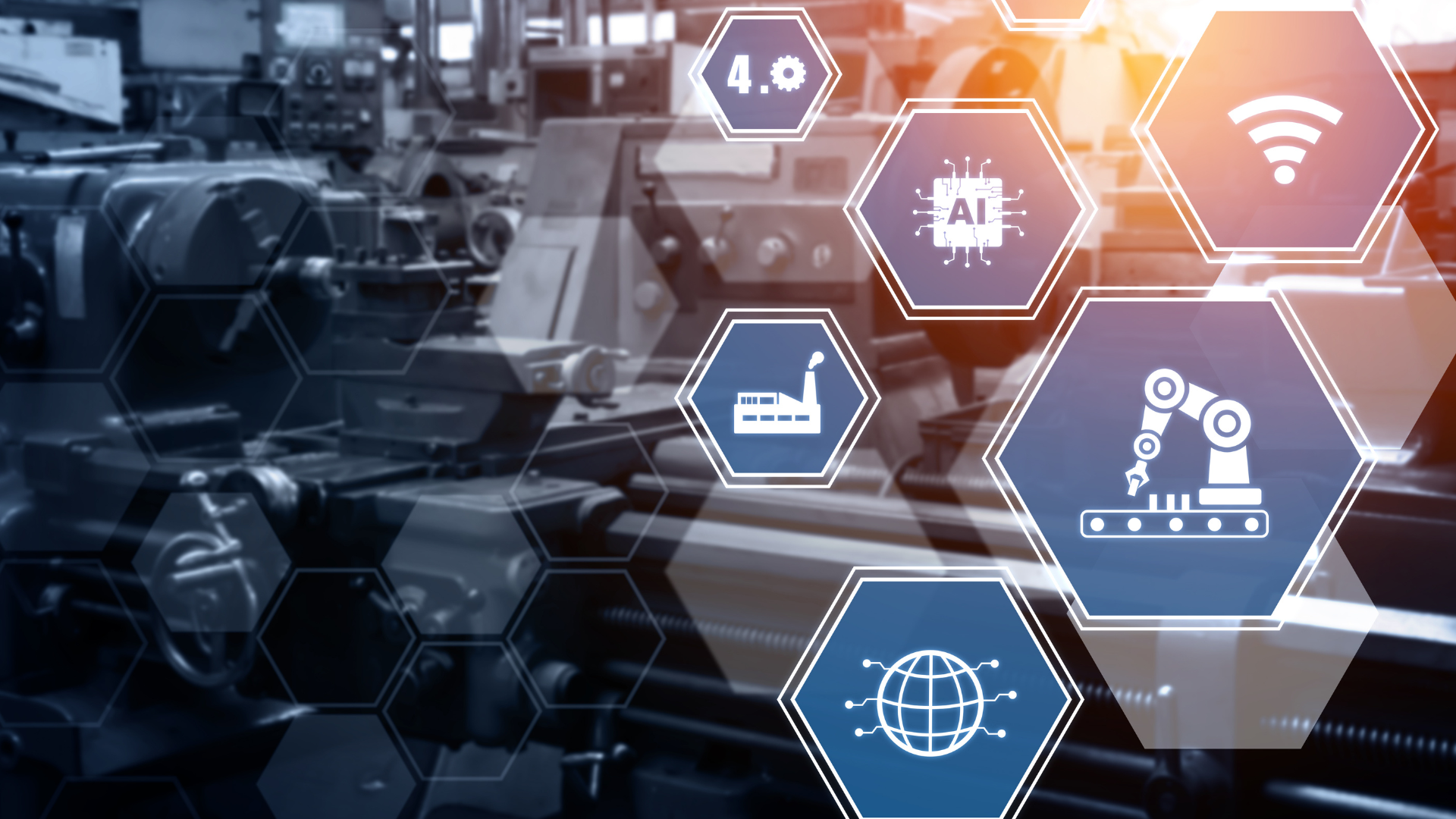
Before positioning ourselves, let’s align on the concept. Logistics 4.0 is far more than just swapping pen and paper for Excel spreadsheets. It is the powerful convergence of the "Big Four" pillars:
- Internet of Things (IoT): Smart sensors installed in vehicles and warehouses enable 24/7 real-time monitoring of location, temperature, and cargo conditions.
- Artificial Intelligence (AI): Automates Route Optimization and forecasts transport demand to significantly minimize "empty miles" (deadhead runs).
- Big Data: Processes millions of transactions to pinpoint "cost blind spots" that were previously invisible to the human eye.
- Blockchain: Establishes an immutable data network, ensuring absolute transparency in customs procedures and payment settlements.
2. Vietnam's logistics landscape 2026: The "speaking" figures
According to the latest Logistics Performance Index (LPI) report, Vietnam has made significant strides on the global stage. However, the current reality remains a nuanced mix of bright spots and lingering shadows:

Promising growth potential
- Growth Rate: Maintaining a robust 14-16% annually, contributing approximately 5-6% to the national GDP.
- National Targets: The 2035 Strategy aims to reduce logistics costs to 12-15% of GDP. (Currently, we are hovering at the 16-18% mark—considerably higher than the global average of 10-12%).
- E-commerce Explosion: With the e-commerce market reaching tens of billions of dollars, the immense pressure on "last-mile delivery" has compelled enterprises to prioritize technological investment.
A "Polarized" position on the map
If we visualize the digital transformation map as a spectrum ranging from Red (Obsolete) to Green (Modern), Vietnamese enterprises are currently distributed as follows:
Enterprise Group | Current Status | Technological Maturity |
The "Eagles" (Gemadept, Viettel Post, SNP...) | Green Zone | Utilizing AI, automated warehousing, and comprehensive ERP systems. |
SMEs (Medium) | Yellow Zone | Fragmented software usage; currently struggling with data integration. |
Small & Micro Enterprises | Red Zone | Operations rely mostly on experience, Excel, and messaging apps. |
3. The "Invisible" barriers stalling the momentum
Why, despite the clear benefits of Logistics 4.0, is its implementation still lagging? Several underlying factors are hindering the industry’s progress:
- High Initial capital expenditure (CAPEX): Many business owners still perceive technology as a "cost" rather than a "strategic investment." Allocating a substantial budget for an ERP system without the promise of immediate, tangible returns often leads to hesitation.
- The skills gap in human resources: Statistics indicate that only about 30% of the current logistics workforce is adequately trained in digital technologies. The scarcity of "hybrid" professionals—those who possess both deep operational expertise in transport and high IT proficiency—remains a major bottleneck.
- Data silos and fragmentation: It is common for the accounting department to use one platform, the fleet to rely on separate GPS software, and the warehouse to still use manual ledgers. These systems fail to "communicate" with each other, resulting in data discrepancies, redundancies, and significant operational waste.
- Resistance to Change: This remains the most formidable barrier. Digital transformation is not just a technological upgrade; it is a shift in culture that must begin with a transformation in leadership mindset.

4. ERP for logistics: the "backbone" of the 4.0 digital transformation journey
In this context, seeking a comprehensive Enterprise Resource Planning (ERP) system is no longer a luxury. SotaFMS has emerged as a "tailor-made" solution specifically designed for the unique operational characteristics of the transportation and forwarding sectors in Vietnam.
Why do experts recommend that businesses start with a system like Sota FMS?
Cost optimization - Increasing profit margins
Leveraging intelligent algorithms, Sota FMS enables precise route optimization. Imagine a scenario where every kilometer driven saves 5% in fuel consumption; for a fleet of 100 vehicles, the resulting increase in annual profit would be staggering.
Real-time cash flow management
No more waiting for accounting reports at the end of the month. With SotaFMS, all revenue, tolls, repair costs, and driver salaries are updated in real-time.
Elevating customer service
Your customers in 2026 don't want to hear "The truck is on the way." They want to open an app and see exactly where the vehicle is and how many minutes remain until arrival. SotaFMS provides a transparent information portal, helping build absolute trust with partners.
Ready for "Green Logistics"
The system assists in managing carbon emissions (CO2) and optimizing cargo loads, helping businesses achieve the necessary green certifications to participate in global supply chains.
5. A 3-step roadmap for transport enterprises to "break through"
If your business is currently in the "Red Zone" or "Yellow Zone," here is the strategic roadmap we suggest:
- Step 1: Standardize Processes. Before digitizing, you must "clean up" your operational workflows. A flawed process, when computerized, will only generate "errors at a faster rate." Efficiency begins with a solid foundation.
- Step 2: Select the Right Platform. Don't just go for the most expensive software; choose the one that understands your business best. Solutions like SotaFMS offer a distinct edge through their flexibility and dedicated, on-the-ground local support.
- Step 3: Training and Culture Building. Empower your team by showing them that technology is an "assistant" designed to make their jobs easier and more efficient, rather than a "supervisor" monitoring their every move.
Conclusion
Digital transformation is not a destination; it is a continuous race. While Vietnamese transport enterprises possess the inherent advantages of dynamism and rapid adaptability, success in this new era requires sharper "weapons" than the manual tools of the past decade.
Implementing a specialized ERP system like SotaFMS is your passport to the "Green Zone" on the Logistics 4.0 map—a realm where efficiency, transparency, and profitability go hand in hand.
L=Contact the SotaFMS expert team today đfor a comprehensive digital transformation consultation tailored to your transport business!
References:
- Vietnam’s Logistics Service Development Strategy for the 2025–2035 period, with a vision toward 2050 – Government News Portal.
- Vietnam Logistics Report 2025 – Ministry of Industry and Trade (MOIT).
- Worldwide Digital Transformation Guide – IDC.
- Vietnam Logistics Business Association (VLA).
We hope this article provides valuable insights and strategic value for your business. Wishing you great success on your digital transformation journey!